Meteors
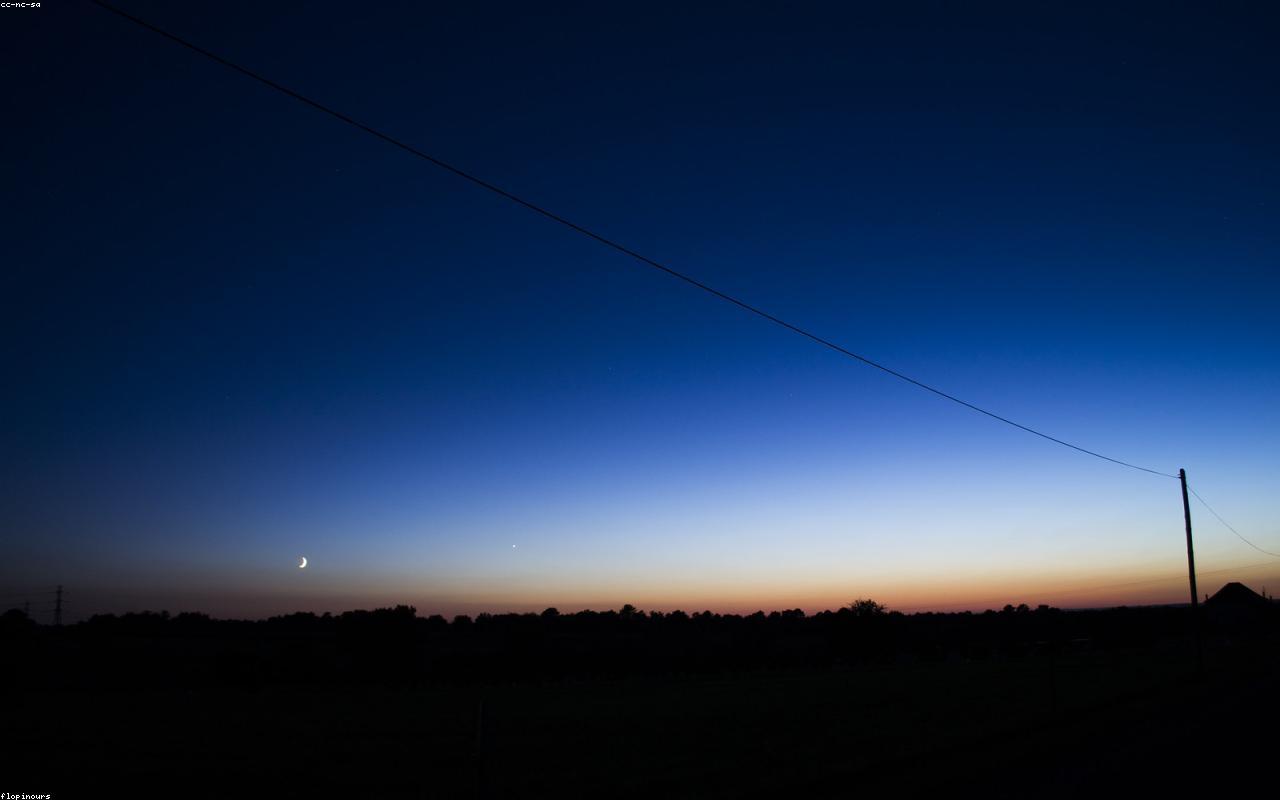
The Meteor Camera Network Coming of Age
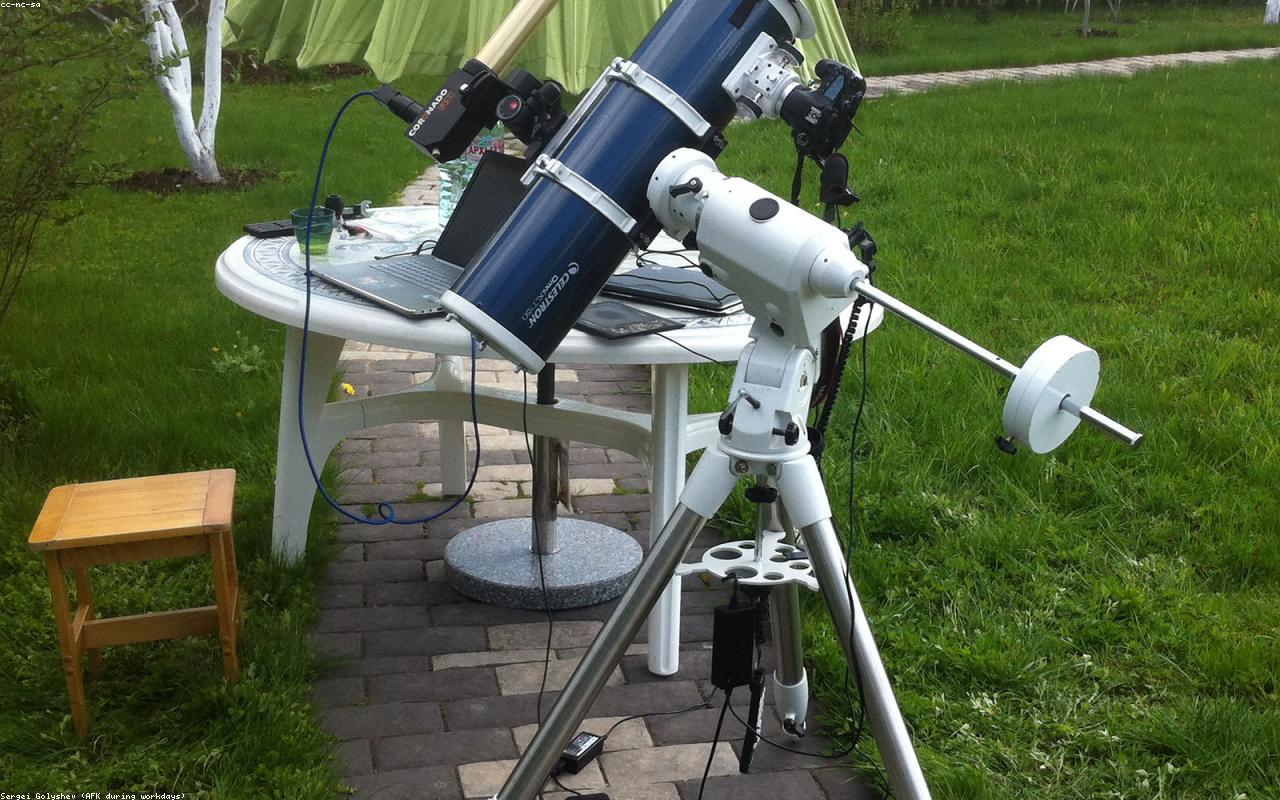
Anselm Bauer surveys the rapid maturation of amateur all-sky meteor camera networks in Europe and North America, and the modest equipment that puts a useful station in any home observer's garden.
solar · The Lead
Lyot's coronagraph, the instrument that first showed the corona without an eclipse, has a long descendant line. Beatriz Garcia on the original at Climax and the instruments it begot.
This week
From the editor
"Reporting from the observatories and the dark-sky towns."
Dispatches
Beats
More reading
Stay a while
History
In her 1925 Radcliffe doctoral thesis, Cecilia Payne demonstrated that the stars were made overwhelmingly of hydrogen. She was persuaded, against her own data, to soften the claim.
Dark Sites
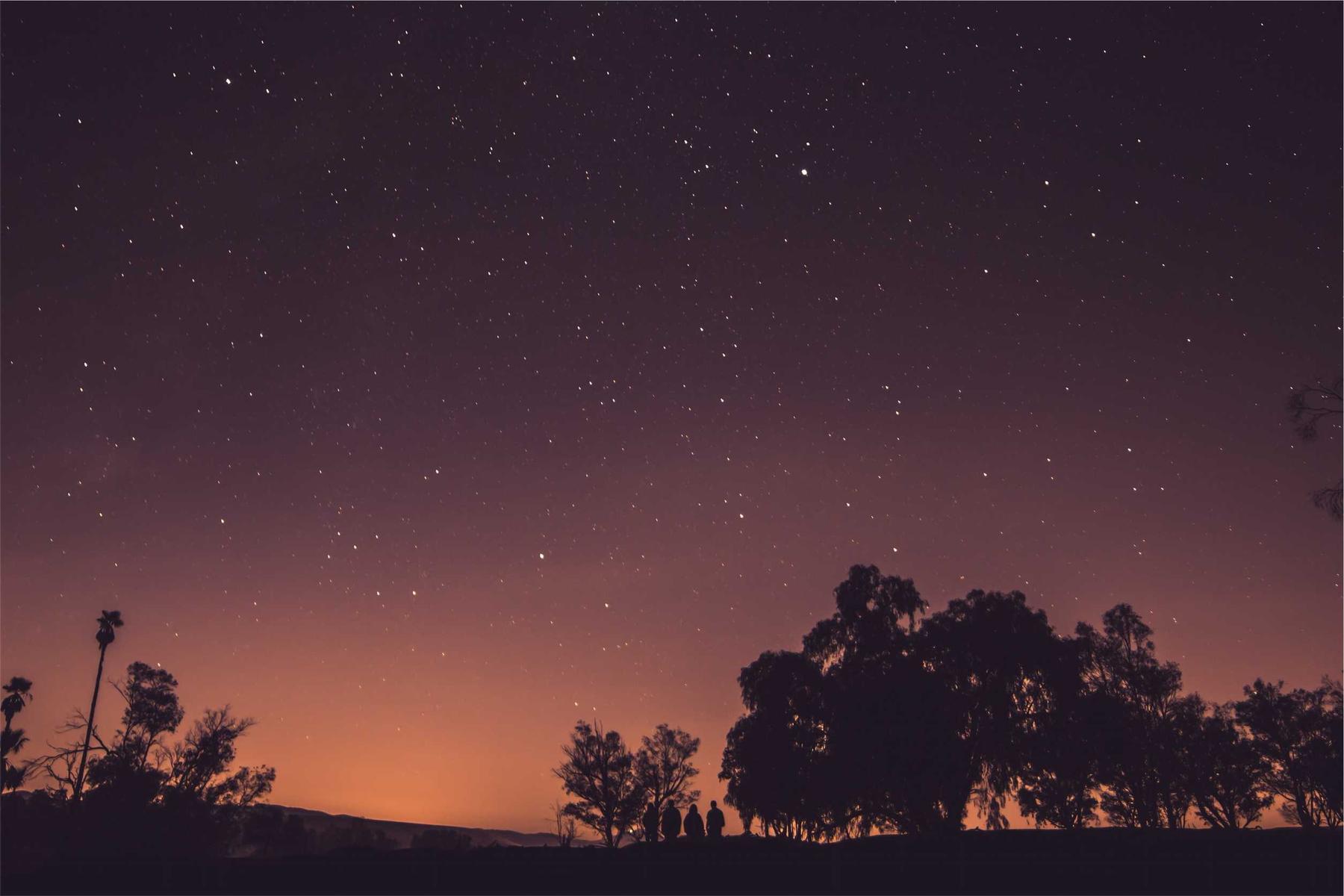
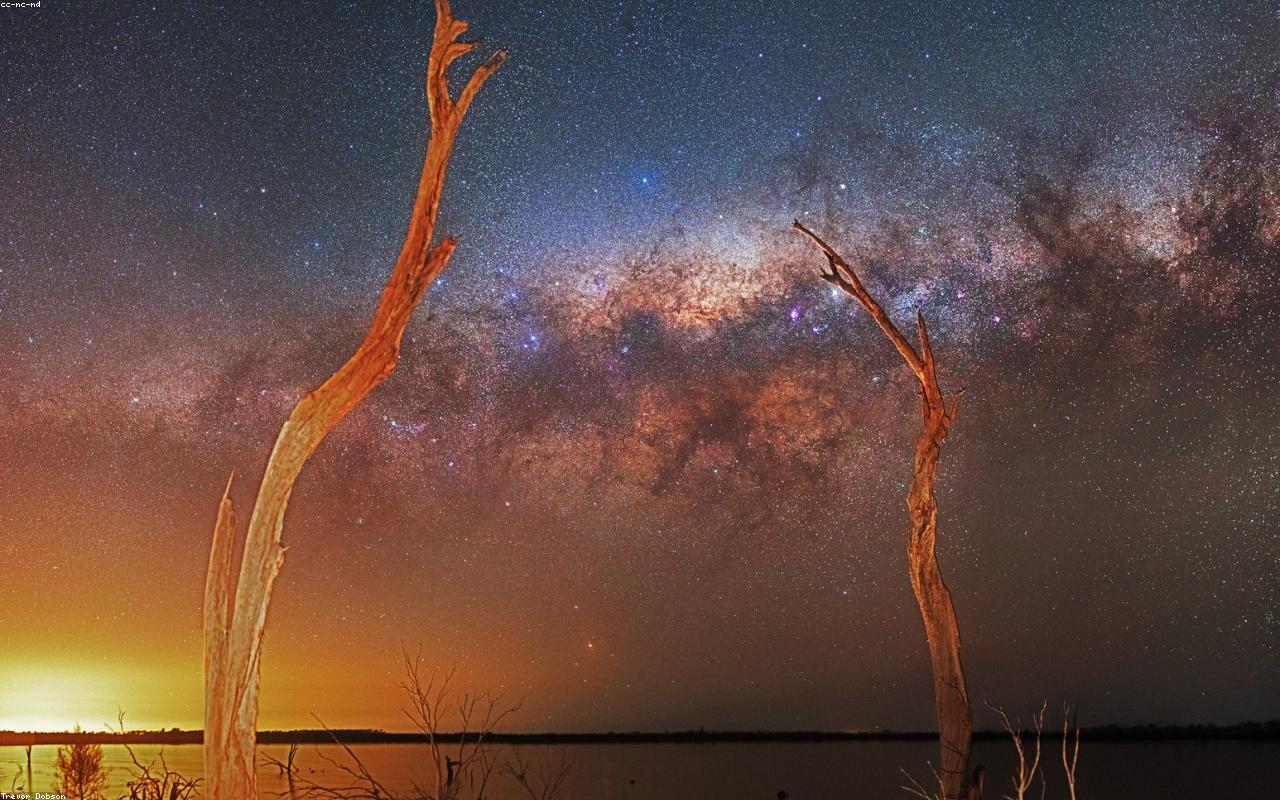
Four thousand three hundred and sixty-seven square kilometres of New Zealand's South Island form the world's largest accredited dark-sky reserve. A late autumn night at Mount John Observatory above Lake Tekapo.
Meteors
Cosmo Tate looks back at the great Leonid storms of 1833, 1866, and 1966, and forward to the comparatively quiet shower today's amateur observers will encounter in November.
Catalogues
The Centre de Données Astronomiques de Strasbourg has been quietly assembling the world's working catalogue archive since 1972. A visit to the small staff that keeps it running.
Equipment
Iolanda Ferro examines her own eyepiece case after twenty-two years of amateur observing and finds that she uses four of the eleven eyepieces inside it.
History
Hired as Edward Pickering's housekeeper in 1879, Williamina Fleming became, by 1898, the curator of astronomical photographs at Harvard and a discoverer of the Horsehead Nebula.
Night Skies
The faint cone of scattered interplanetary dust, observed across nine evenings from a turnout on the Mogollon Rim.
Solar
At the Specola Solare Ticinese above Locarno, observers have drawn the Sun's surface by hand on most clear days since 1957. Iolanda Ferro on what the practice preserves.
Masthead
The Sunday note
A short letter every Sunday morning.
One piece we published, one piece we read elsewhere, and a sentence on what we're working on next. No ads, no tracking.
Reader letters
What readers write back about.
Corrections, dissents, small additions, the occasional reminiscence about a piece we covered.
Read this week's letters →