On the night of January 11, 2026, the temperature on the observation field at Cherry Springs State Park in Potter County, Pennsylvania, was nine degrees Fahrenheit, with a steady breeze out of the northwest. Helena Crouse, a retired science teacher from Coudersport, had driven the twelve miles up Route 44 in her 2014 Subaru Outback and set up a folding camp chair near the southern fence.
She did not bring a telescope. She brought a wool blanket, a thermos of unsweetened tea, and the small black notebook in which she had recorded the night sky once a month for the previous four years.
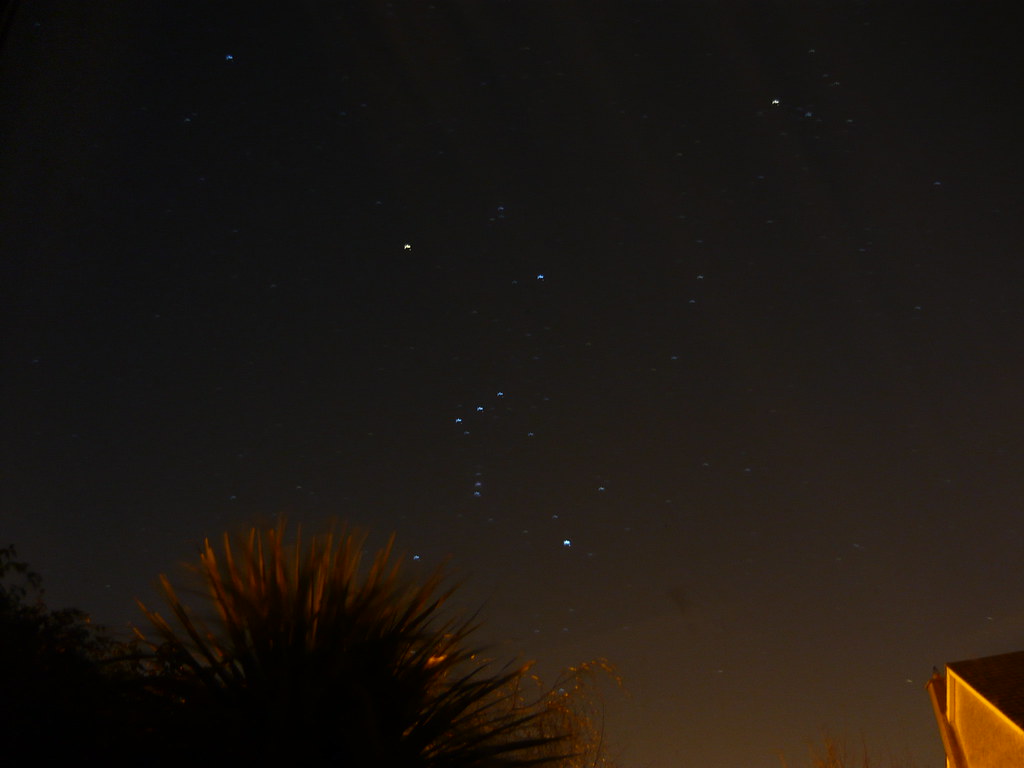
The Milky Way in January, from Cherry Springs, runs from Auriga in the north down through Orion and into Canis Major near the southern horizon. It is the winter arm, the outer reach of our galaxy, looking away from the centre. It is the dimmer half of the year.
Crouse wrote down what she saw at 9:14 p.m.: a pale, granular band crossing from Capella through the feet of Gemini and dissolving below Sirius. She noted the absence of haze. She noted the time it took her eyes to dark-adapt, which was twenty-two minutes by her wristwatch.
Cherry Springs is one of two International Dark Sky Parks in the eastern United States to hold a Gold-tier designation. On a moonless night, a Bortle 2 reading is typical. The park sits on a ridge at roughly 2,300 feet above sea level, surrounded by the Susquehannock State Forest.
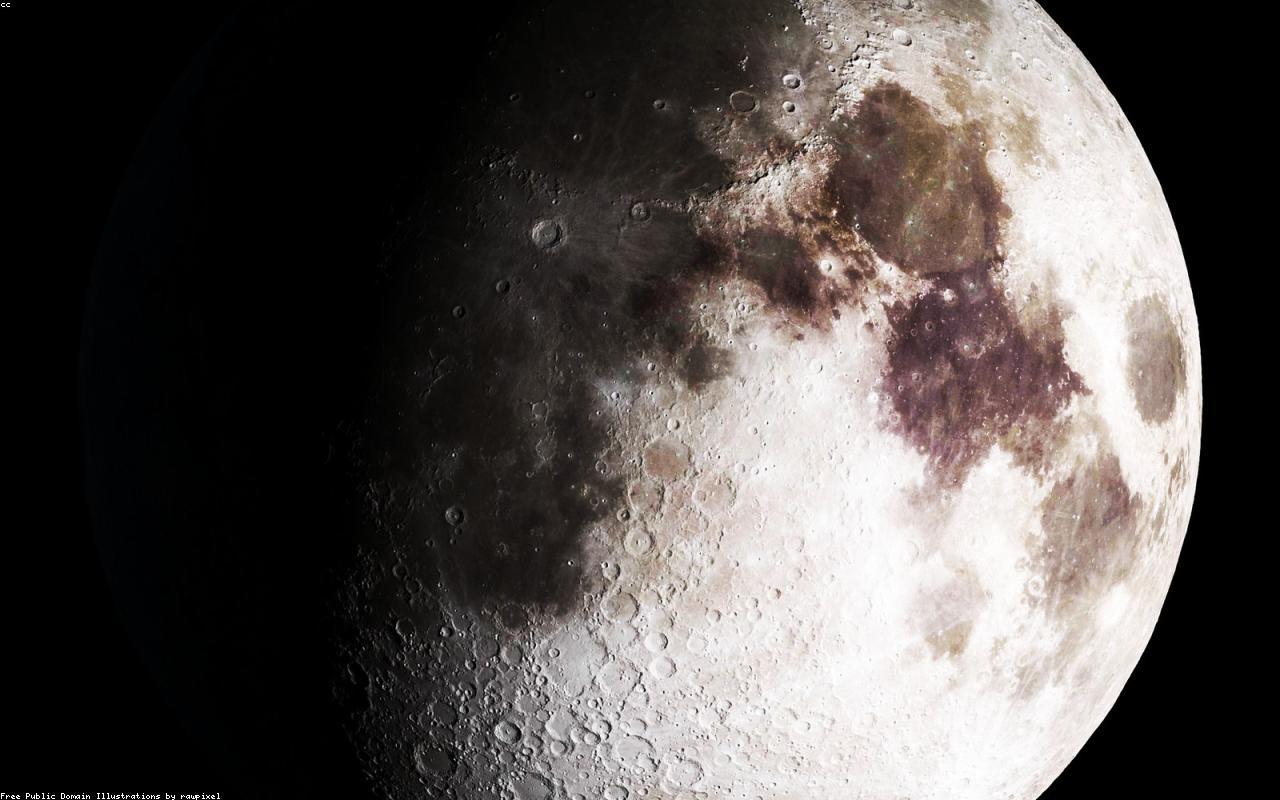
In February, Crouse came back on the night of the new moon and stayed for an hour. The winter Milky Way looked the same. She added a single line to her notebook: still no zodiacal light visible; check March.
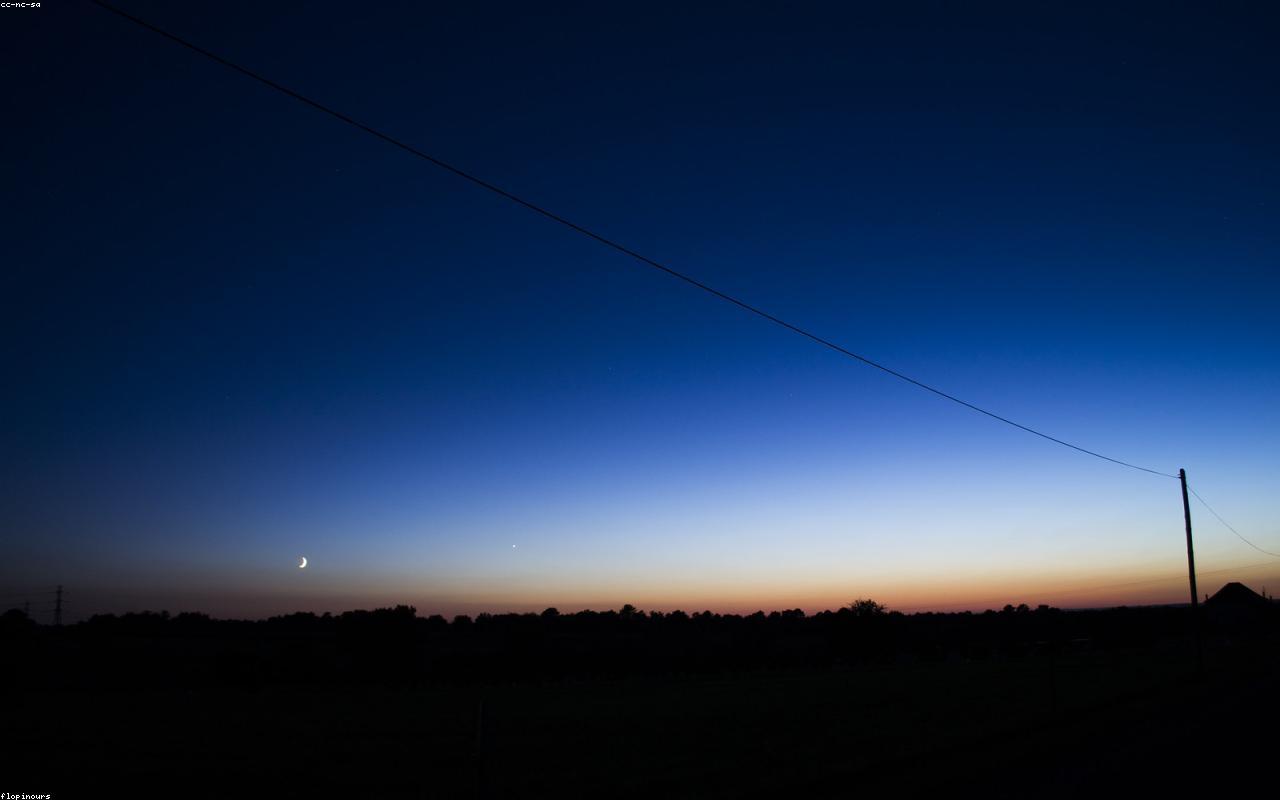
March brought the zodiacal light. Crouse logged it on the evening of March 19, beginning at astronomical twilight, a faint cone of light rising from the western horizon through Aries and toward the Pleiades. It is, in essence, sunlight scattered from interplanetary dust along the ecliptic, and Cherry Springs is dark enough that it can be mistaken at first for the afterglow of sunset.
By April the winter Milky Way had moved west and the spring sky had taken over. There is, properly speaking, no spring Milky Way to see; the galactic centre is below the horizon at midnight and the part that is up is the thin, dim region around Cancer and Leo. Crouse wrote, in her April entry, that the sky felt empty in a particular way she did not mind.
The first night the summer Milky Way returned in any serious form was May 16. Crouse was there at 11:40 p.m., the temperature finally above freezing for an overnight visit. Sagittarius rose around 1 a.m. The galactic bulge cleared the trees by 2:15 a.m.
She did not stay for it that month. She came back on June 9 and stayed until dawn.
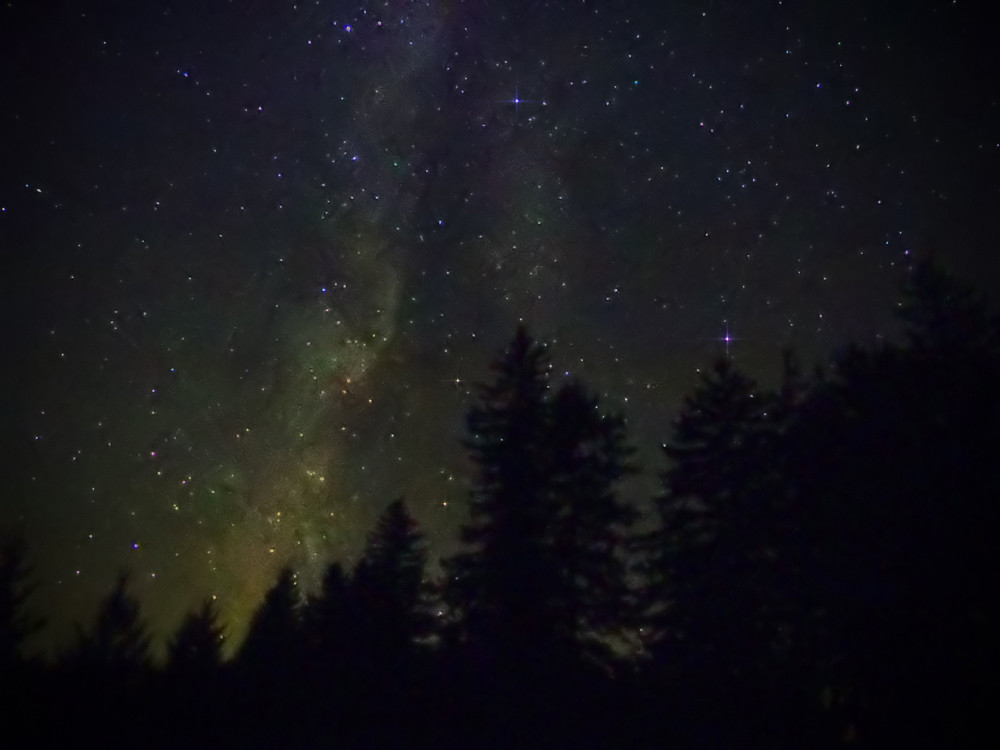
What is striking about Cherry Springs, and what brings people from as far as Toronto and Washington, is the texture of the summer Milky Way overhead. From a Bortle 2 site, the band is not a smooth wash. It is mottled, with dark lanes and bright knots that are visible without optical aid. The Great Rift, the long dark channel between Cygnus and Sagittarius, becomes a real feature in the sky, not a name on a chart.
Crouse logged the Lagoon Nebula as a naked-eye smudge at 2:50 a.m. on June 10. She logged the North America Nebula in Cygnus, which she had never seen unaided before, at 3:04 a.m.
July was thunderstorms and humidity. She did not visit.
August was the Perseids, and the field was full. The park staff close one of the gates for the meteor shower weekends now, and visitors are asked to register in advance. Crouse came on the night of the peak, August 12, and shared the field with about two hundred other observers. She wrote that the Milky Way was as good as she had ever seen it, and that a single fireball at 1:33 a.m. left an afterglow visible for nine seconds.
September was clear and quiet. She came alone on the 14th and watched Cygnus pass overhead. She wrote that the constellation, on a moonless September night from Cherry Springs, looks more like a swan than at any other time of the year.
October brought the first frost and the last of the galactic centre. By mid-month, Sagittarius is gone shortly after sunset, and the Milky Way runs across the sky from Cassiopeia to the southwestern horizon. Crouse logged the Andromeda Galaxy as a clear naked-eye object on October 18, easier than she had ever logged it before.
November was overcast for the entire month. She went up once, on the 22nd, and the cloud cover was solid. She wrote one sentence: drove home; saw a coyote near the elk preserve.
December returned her to where she began. The winter Milky Way, the dimmer half, was back in the east. She came on the night of the new moon, December 7, in a temperature of fourteen degrees, and stayed for forty-five minutes.
Her January 2027 entry, when she made it, was simply: year complete; begin again.
Cherry Springs is, for Crouse and for many others, less a destination than a calendar. The park's astronomy field is open year-round, and the rangers ask only that visitors use red-filtered flashlights, register at the kiosk, and respect the quiet of the field after 10 p.m.
What a year of monthly visits produces is not a single great observation but a long, accumulating sense of the sky as a turning thing. The Milky Way in January and the Milky Way in July are, in some sense, the same object seen from different sides of the Earth's orbit; in another sense, they are entirely different skies.
Crouse keeps the notebook on a shelf in her kitchen, next to the bird-feeder log and a cookbook from 1962. She has begun a fifth volume.