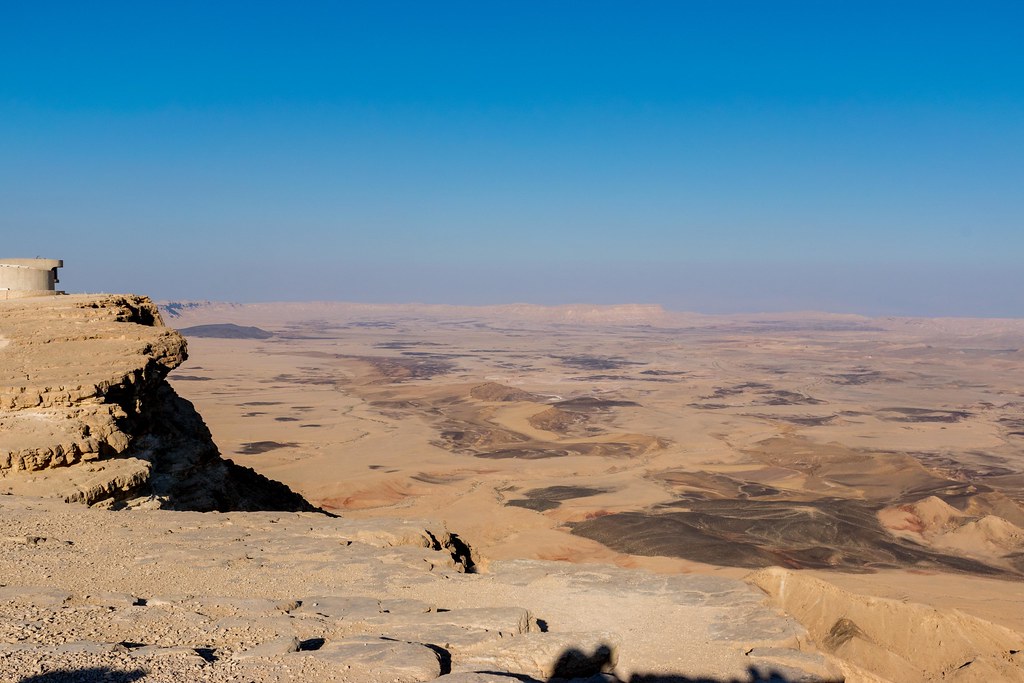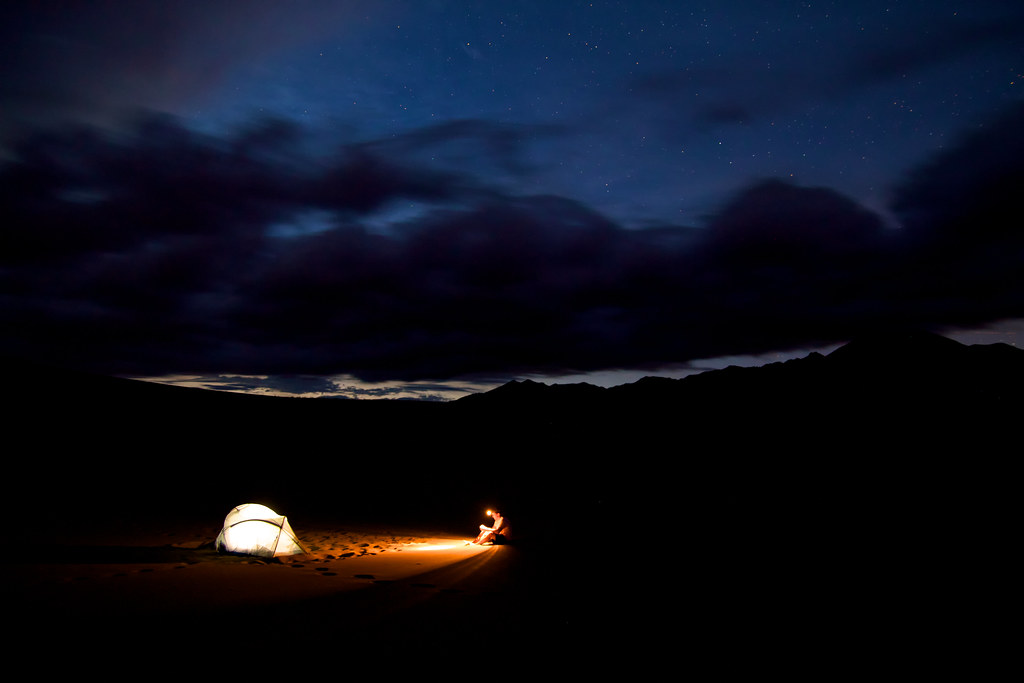
Great Sand Dunes National Park covers 233 square kilometres of dune field at the western foot of the Sangre de Cristo range. The tallest dune, Star Dune, rises 230 metres above the surrounding valley. The valley floor itself sits at 2,360 metres.
The park was certified an International Dark Sky Park in May 2019. The certification covers the entire park, but the formal monitoring sites are concentrated in the central dune basin, where the only artificial light at night is the small ranger station at the Piñon Flats Campground.
On the night of 13 March 2026, the SQM reading at the Sand Pit monitoring point, taken by Ranger Caroline Olmsted at 22:18, was 21.96 magnitudes per square arcsecond. That is approaching the natural limit for an unobstructed sky.
Olmsted has been a seasonal ranger at Great Sand Dunes for eleven years, with three of those years carrying the title Dark Sky Coordinator. The position is funded by a small grant from a Colorado astronomy foundation and is supplemented by interpretive ranger duties.
She conducts an SQM measurement at one of seven monitoring sites every clear night from March through October. The data go to the park's natural-resources office and, in summarised form, to the International Dark-Sky Association.
March is a transition month at the dunes. The night-time wind, which can reach forty knots in winter, begins to relax. The summer thunderstorm season, which makes July and August nights unpredictable, has not yet begun. The Milky Way passes through the zenith in the small hours.
On the night of the visit, the wind did not relax. From sunset until 02:00 the gusts at the dune base were steady at 25 knots. Olmsted set up her tripod-mounted SQM in the lee of a dune ridge, which reduced the wind but also reduced the visible sky by roughly thirty percent.
The other observer present was Mateo Rivas, an amateur from Pueblo, Colorado, who had driven down with an 11-inch Schmidt-Cassegrain on a wedge-mounted equatorial. He was attempting to image the Leo Triplet, a group of three galaxies in northern Leo, before the moon rose at 04:11.
Rivas's first complaint was the wind. His tracking software lost the guide star twice in the first hour. By 23:00 he had abandoned the imaging plan and was observing visually with a 17mm eyepiece.
His second comment, less of a complaint, was that the sky here was the darkest he had observed from in twenty years of amateur astronomy. The closest comparable site he had used, he said, was the Cosmic Campground in southwestern New Mexico, which is roughly equivalent on the SQM but slightly less consistent in air clarity.
Air clarity at Great Sand Dunes is unusual. The high desert location, the lack of agricultural dust in the immediate vicinity, and the prevailing wind direction from the snow-covered Sangre de Cristos combine to keep the atmosphere transparent on most clear nights.
Olmsted took her second SQM reading at 23:42 from the same site. The value was 21.94, essentially unchanged. By midnight the temperature at the dune base had fallen to minus eight degrees.
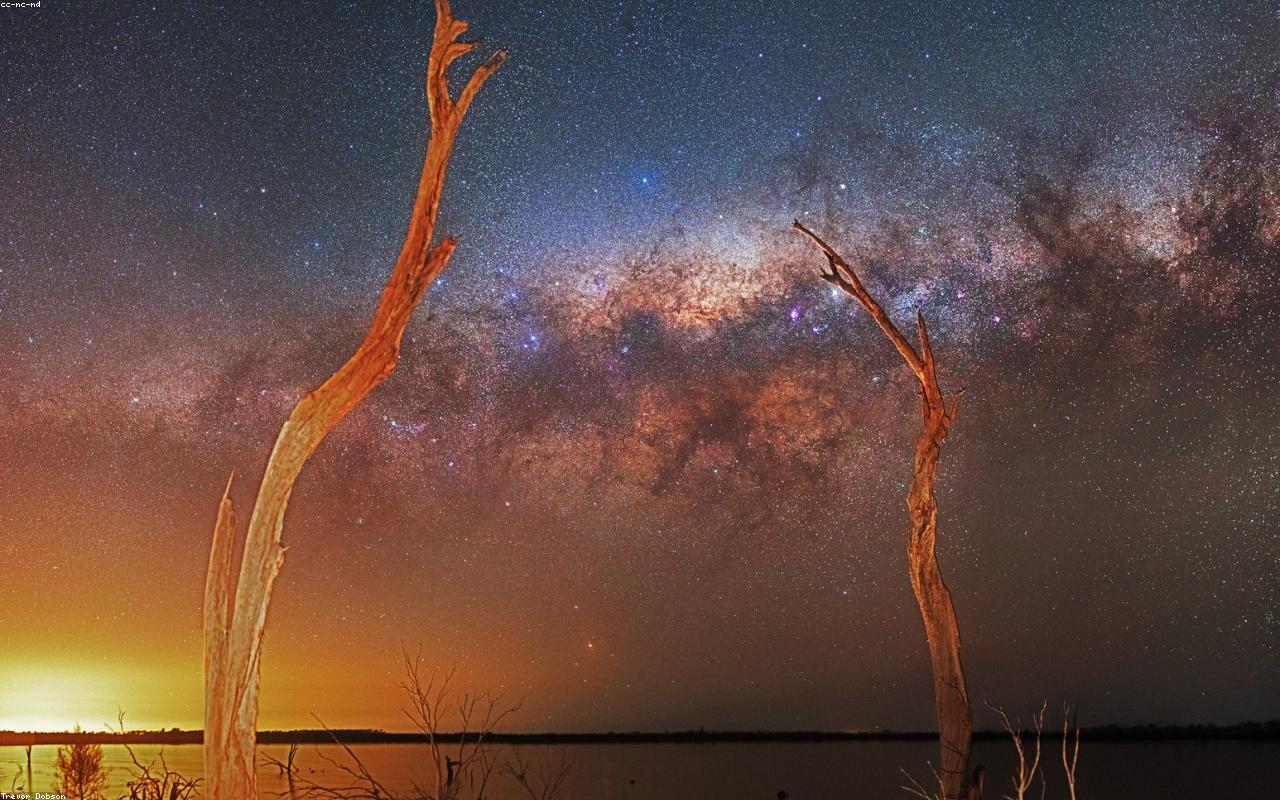
The visible Milky Way structure at this site is, by Olmsted's account, the best she has seen anywhere. The Great Rift through Cygnus and Aquila, the bright knot of the galactic centre as it rises in summer, the dark dust lanes in Sagittarius — all are naked-eye objects under typical conditions.
On the March night of the visit, the centre of the galaxy was below the horizon. The visible Milky Way ran from Cassiopeia in the north through Auriga and Gemini into Canis Major in the south. The contrast against the surrounding sky was striking.
At 01:15 a meteor of magnitude minus three crossed the sky from northeast to southwest, leaving a brief glowing train. Rivas, who had set down his eyepiece, missed it. Olmsted, who was looking up at the time, identified it provisionally as a sporadic.
By 02:00 the wind had finally dropped. Rivas, encouraged, set up his imaging rig again. He managed an hour of useful exposures on the Leo Triplet before the moon rose and ended the night's deep-sky work.
Olmsted, asked what threatens the site, named two things. The first is new development in the nearby San Luis Valley, particularly the small communities of Mosca and Hooper. The second is the unshielded floodlights at a marijuana cultivation facility north of Alamosa, which contribute a visible glow on the southern horizon on still nights.
Both threats, she said, are manageable. The Sand Dunes dark-sky team has worked with the San Luis Valley Development Resources Group on a model lighting ordinance, which two of the seven incorporated communities in the valley have so far adopted.
The park itself has retrofitted all of its own outdoor lighting since 2017. The campground at Piñon Flats now uses fully shielded warm-amber fixtures, switched off at the dark-sky observer's preference of 22:00. The visitor centre lights are on motion sensors and switch off completely after closing time.
It is not, in the end, a system that runs itself. Olmsted's contract is renewed annually and depends on continued grant funding. The retrofits cost money. The valley keeps growing. The work, like most dark-sky work, is local, patient, and never quite finished.